Stop Putting That in Your Blender: The Milkshake Ingredients That Are Working Against You

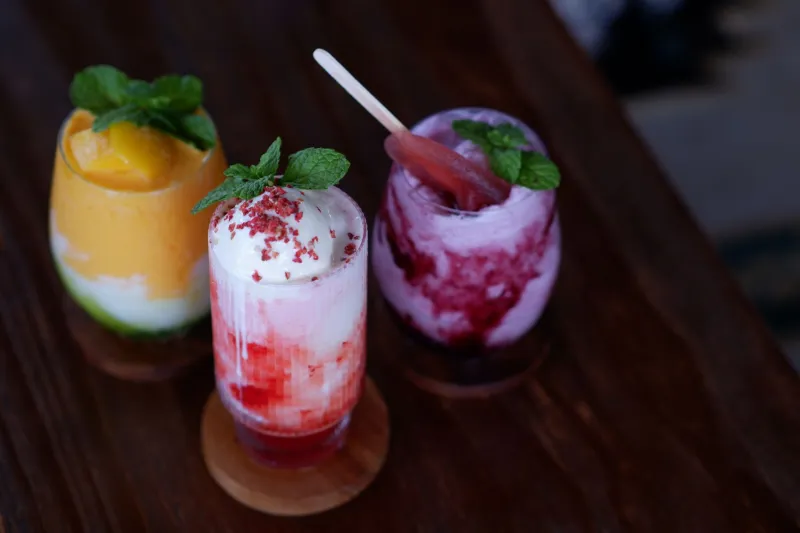
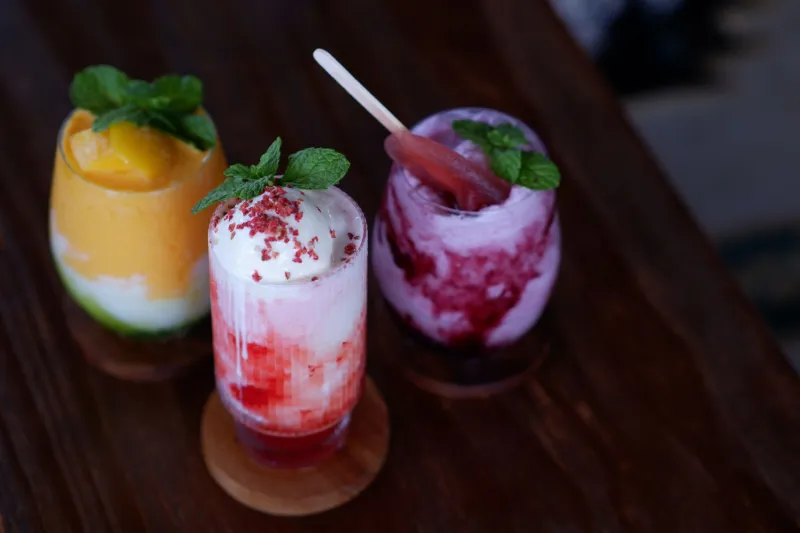
Photo: CakieBakie, CC BY-SA 4.0, via Wikimedia Commons
Milkshakes look forgiving. Throw stuff in a blender, hit the button, pour it out — how bad could it get? Pretty bad, actually. The problem is that a blender is indiscriminate. It'll process whatever you give it, but that doesn't mean the result will be worth drinking.
Over time, a certain category of shake ingredients has built up a reputation it doesn't deserve. Some got popular because they look great on social media. Others got added because someone read that they were "healthy" and assumed that made them shake-compatible. A few are just honest mistakes that nobody talks about.
This is the list nobody asked for but everybody needs before their next cookout dessert round.
Fresh Citrus Juice: The Curdler You Didn't See Coming
Lemon juice, lime juice, orange juice — these feel like natural additions to a fruit shake. Bright, fresh, real flavor. What's not to like?
The problem is acidity. Fresh citrus juice reacts with dairy proteins in a way that causes curdling almost immediately. Your shake won't look curdled right away, but the texture will be grainy and slightly off in a way that's hard to pinpoint but impossible to ignore. The mouthfeel goes from smooth to faintly gritty, and the flavor becomes unpleasantly sour rather than refreshingly bright.
Use instead: Citrus zest. All the aromatic oils, none of the acid. Zest a lime into a coconut shake or add lemon zest to a blueberry shake and you get genuine brightness without the dairy drama. If you want a little tang, a small spoonful of citrus curd blended in works far better than raw juice.
Greek Yogurt (In the Wrong Context)
Greek yogurt has been showing up in milkshake recipes for years, usually marketed as a protein boost or a way to make shakes "healthier." And sure, in a smoothie context it makes total sense. But in a milkshake, it's almost always a mistake.
The issue is two-fold. First, Greek yogurt is thick in the wrong way — it creates a dense, slightly chalky texture that fights against the airy creaminess you're going for. Second, its tanginess competes with sweet flavors in a way that reads as sour rather than complex. You end up with something that tastes like a smoothie trying to be a shake and failing at both.
Use instead: Full-fat sour cream, used sparingly, actually delivers tang and richness without the chalky density. Or just lean into what makes shakes great: good ice cream, whole milk, and real flavor additions. If you want protein, that's a smoothie conversation, not a shake one.
Fiber Powders and Protein Supplements
While we're here — this needs to be said clearly. Fiber powders and most protein supplements do not belong in milkshakes. Psyllium husk turns your shake into something with the consistency of a gel. Many protein powders introduce a chalky, artificial flavor that no amount of chocolate syrup can cover up. Some even affect how the shake blends, creating foam or separation that looks and feels wrong.
A milkshake is not a meal replacement. It's a dessert. Treat it like one.
Use instead: If you want to add substance without wrecking texture, try a tablespoon of nut butter. Peanut butter, almond butter, and cashew butter all blend smoothly, add real protein and fat, and make shakes taste genuinely better. That's the trade.
Frozen Fruit Straight From the Bag
Frozen fruit is convenient and cheap, which is why it ends up in a lot of home shakes. But frozen fruit — especially the water-heavy varieties like watermelon, strawberries, and peaches — dilutes your shake as it thaws and blends. You get an icy, watery result that separates fast and tastes thin.
The texture problem compounds when you're serving shakes at a cookout and they're sitting for more than a few minutes. What started as a shake becomes a cold, vaguely fruity liquid.
Use instead: If you want real fruit flavor, use freeze-dried fruit. It blends into a powder that integrates completely with the shake, delivers intense concentrated flavor, and adds zero extra liquid. Freeze-dried strawberry in a vanilla shake is extraordinary. Freeze-dried mango in a coconut shake is a revelation. This is a genuinely underused technique that makes a big difference.
Coconut Water (Instead of Coconut Milk)
Coconut water is having a long moment in wellness culture, and someone along the way decided it would work in shakes. It doesn't. Coconut water is thin, lightly sweet, and has almost no fat content. In a shake, it adds liquid without adding body, which means your shake gets thinner and less creamy with every ounce you pour in.
Coconut water also has a slightly earthy, faintly vegetal quality that competes with the sweet, creamy profile you're building.
Use instead: Full-fat coconut milk from a can. Rich, fatty, genuinely coconut-flavored, and it blends into a shake with a silkiness that's hard to beat. Shake it before you open it, pour in half a can, and watch what happens to your texture.
The Test You Should Run Before Adding Anything New
Before you drop a trending ingredient into your blender, run it through three quick questions:
- Does it have significant water content? If yes, it'll thin your shake. Compensate or skip it.
- Is it highly acidic? Dairy and acid don't play well together. Proceed with caution.
- Does it have a strong, competing flavor? A shake needs a lead flavor. If your add-in is fighting for the spotlight, it's going to create noise, not harmony.
If you answer yes to more than one of these, there's a good chance whatever you're holding belongs in something other than a milkshake.
The Cookout Context Matters
At a backyard grill session, shakes have one job: to be the cold, creamy, satisfying counterpoint to everything hot and smoky coming off the grate. They don't need to be complicated. They don't need to be optimized for nutrition. They need to taste great, hold their texture long enough to drink, and make the whole meal feel complete.
Keep your ingredients clean, skip the trendy additions that don't earn their place, and let the shake be exactly what it's supposed to be.