Topping the Charts: Which Milkshake Toppings Survive Backyard Cookout Conditions
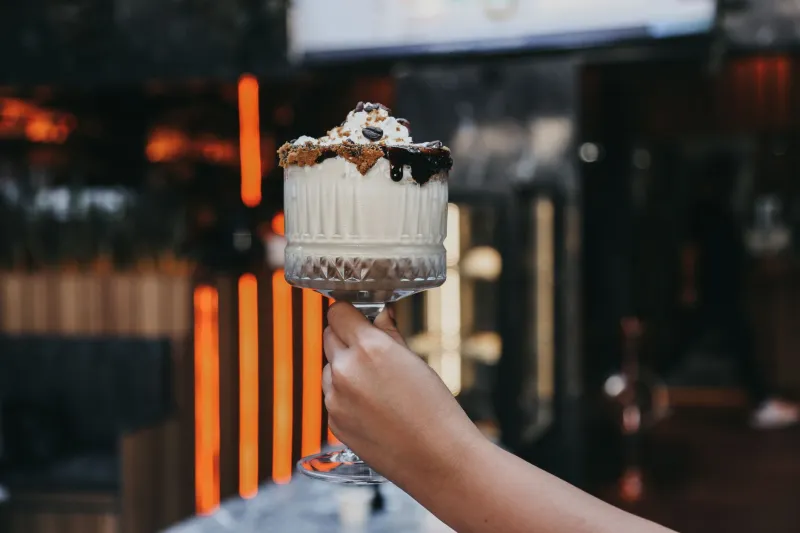
There's a moment every backyard host knows too well. You've just blended the perfect milkshake—thick, cold, beautiful—and crowned it with a generous swirl of whipped cream, a drizzle of hot fudge, and maybe a cherry on top. You set it on the picnic table, turn around to flip a burger, and by the time you look back, your masterpiece has become a sad, drippy puddle with a lonely cherry floating in it.
Summer cookouts are brutal on milkshake toppings. The combination of direct sun, ambient heat rolling off the grill, and yes, actual smoke drifting across your spread creates a little microclimate that's basically kryptonite for anything cold and delicate. But here's the thing: understanding why toppings fail is the first step toward building shakes that actually look as good as they taste, even when you're cooking over a live fire.
Why Outdoor Heat and Smoke Are Working Against You
Let's start with the obvious villain: temperature. Most backyard grills run somewhere between 350°F and 500°F, and even if your shake is sitting a few feet away, radiant heat raises the ambient temperature around your cookout zone significantly. Standard whipped cream—whether from a can or freshly whipped—starts losing its structure around 40°F to 50°F. Outside on a hot July afternoon, you're already fighting a losing battle before the grill even enters the picture.
Then there's humidity. Grilling over charcoal or wood generates steam and moisture as fats render and drip onto the coals. That extra moisture in the air accelerates the breakdown of airy, foam-based toppings like whipped cream. The tiny air bubbles that give whipped cream its volume simply can't hold their shape when they're surrounded by warm, humid air.
Smoke is a sneakier problem. Beyond the obvious flavor transfer—and yes, lightly smoke-kissed whipped cream is exactly as weird as it sounds—smoke particles carry heat and can subtly warm the surface of cold toppings faster than you'd expect. It also leaves a faint residue on anything sticky or wet, which is why your hot fudge drizzle might develop an unexpected campfire note by the time it hits the bottom of the glass.
The Usual Suspects: Toppings That Cave Under Pressure
Not all toppings are created equal when it comes to outdoor durability. Here's a quick breakdown of the classics and how they hold up:
Whipped cream from a can is the fastest casualty. It's mostly air and fat stabilized under pressure, and it collapses quickly once that pressure is gone and heat moves in. You've got maybe two minutes of peak presentation at a summer cookout.
Soft-serve style ice cream scoops placed on top of a shake look gorgeous for about thirty seconds. The high surface area and low density mean they melt at an almost theatrical speed outdoors.
Hot fudge and caramel sauces actually survive longer than you'd think—they're already warm, so the heat doesn't shock them. The downside is they keep flowing and can overwhelm the shake if you're not careful.
Fresh fruit is surprisingly vulnerable. Sliced strawberries and bananas oxidize and soften quickly in the heat, and they can pick up smoke flavors in ways that aren't always flattering.
Maraschino cherries are actually pretty resilient—they're preserved and firm—but they can get weirdly warm sitting on top of a cold shake in direct sun, which is a texture experience nobody asked for.
Toppings That Actually Hold Their Ground
Here's where it gets fun. Once you stop fighting the outdoor environment and start working with it, you can build milkshake toppings that are genuinely cookout-proof—and some of them even play off the grilled flavors coming off your grill.
Toasted nuts and candied pecans are excellent. No moisture to lose, no fat to melt, and the toasty, slightly caramelized flavor pairs beautifully with smoky, charred grill aromas. Sprinkle them on right before serving and they'll still be crunchy an hour later.
Crumbled cookies and graham crackers hold up well in dry heat as long as you add them at the last second. Crushed Oreos on a chocolate shake, or graham cracker crumble on a s'mores-style shake, stay crisp long enough to impress.
Chocolate shavings and curls made from higher-percentage dark chocolate (70% cacao or above) have a higher melting point than milk chocolate and can survive moderate outdoor temperatures for a solid stretch. They also look genuinely elegant.
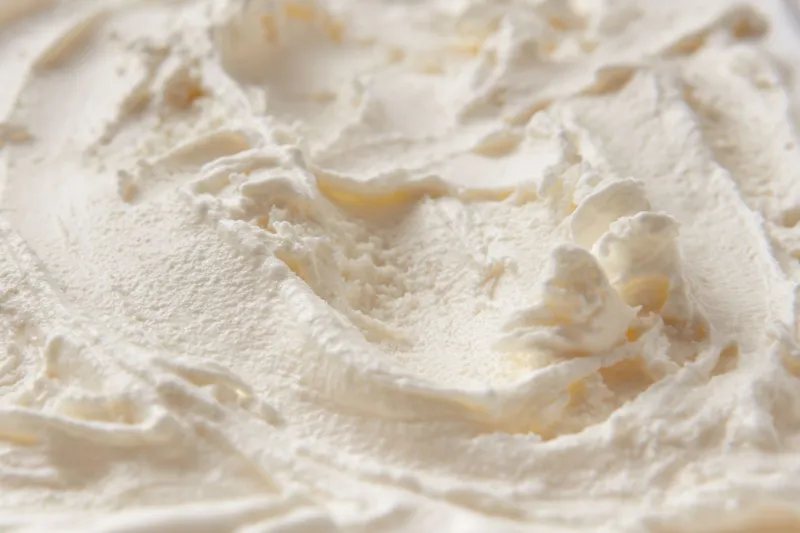
Whipped cream cheese or mascarpone-based toppings are a serious upgrade from standard whipped cream. The higher fat content and denser structure mean they hold their shape much longer. Whip mascarpone with a little powdered sugar and vanilla, and you've got a topping that laughs at summer heat.
Crushed pretzels or kettle chips might sound unconventional, but salty-crunchy toppings on a sweet shake are an absolute revelation at a cookout. They're sturdy, they don't melt, and the salt-sweet contrast is exactly the kind of bold move that makes guests ask for the recipe.
DIY Toppings That Complement Grilled Flavors
Since you've got a grill going anyway, why not use it to make your toppings even more interesting? A few ideas that work surprisingly well:
Grill-toasted marshmallows crumbled over a vanilla or chocolate shake bring that campfire s'mores energy in the best way. Skewer a few marshmallows, hold them over the edge of the grill for thirty seconds, and drop the caramelized result right on top of your shake.
Smoked sea salt is a game-changer. A pinch over a caramel or butterscotch shake bridges the gap between your grill and your glass in the most sophisticated way possible. It's the kind of detail that makes people think you went to culinary school.
Bacon brittle takes a little prep, but it's worth it. Cook bacon until extra crispy, chop it fine, toss it in a simple caramel, let it cool on parchment, and break it into shards. On top of a peanut butter or salted caramel shake, it's absolutely unhinged in the best possible way—and it holds up beautifully outdoors.
Grilled pineapple chunks skewered on a cocktail pick make a sturdy, heat-resistant topper for tropical shakes. The caramelized edges from the grill add complexity, and they don't fall apart in the heat the way fresh fruit does.
Timing Is Everything
Beyond choosing the right toppings, the single biggest upgrade you can make is your timing. Build your shakes as close to serving as possible—ideally right after you pull the main course off the grill, when guests are transitioning from dinner mode to dessert mode. Keep your glasses in the freezer until the last minute, top them tableside if you can, and serve immediately.
If you're hosting a big crowd and need to prep ahead, skip the delicate toppings entirely and set up a DIY topping bar with bowls of your sturdier options—nuts, cookie crumbles, chocolate shavings, pretzels. Let guests top their own shakes right before they drink them. It turns a potential logistics headache into an interactive moment that people genuinely love.
The grill and the shake don't have to be at war. With the right toppings and a little strategy, they can actually make each other look better. That's kind of the whole point around here.