The Cookout Clock: A Real Timing System for Shakes That Are Actually Cold When the Burgers Are Hot
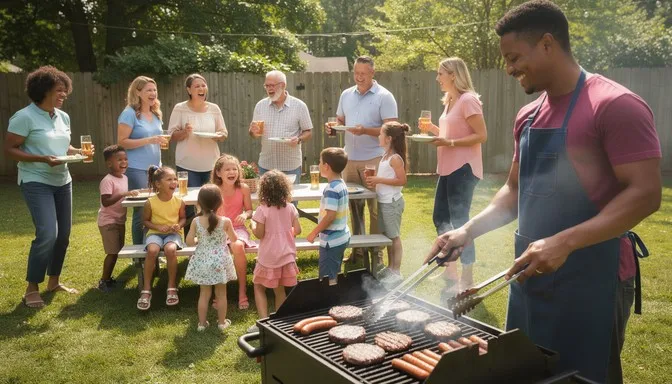
It happens at almost every backyard cookout. The grill runs a little long. Someone asks for their burger well-done. The kids want seconds on hot dogs. And by the time the food finally hits the table, the milkshakes that were blended twenty minutes ago have turned into sad, soupy puddles of what used to be something great.
Or the reverse: food is ready, plates are out, and nobody's thought about shakes yet. Now you're frantically blending while burgers go cold on paper plates.
Timing is the unsung skill of the backyard entertainer, and the grill-and-shake combo is its ultimate test. The good news is that this isn't a problem you have to solve through instinct. There's an actual system — and once you've run it a couple of times, it becomes second nature.
Why the Timing Problem Is Harder Than It Looks
Milkshakes and grilled food exist at opposite ends of the temperature spectrum, and they both have narrow windows of peak enjoyment. A burger off a hot grill starts losing quality within about five minutes if it's just sitting there. A standard milkshake, left at room temperature, starts losing its ideal texture in roughly the same timeframe — sometimes faster, depending on ambient heat and fat content.
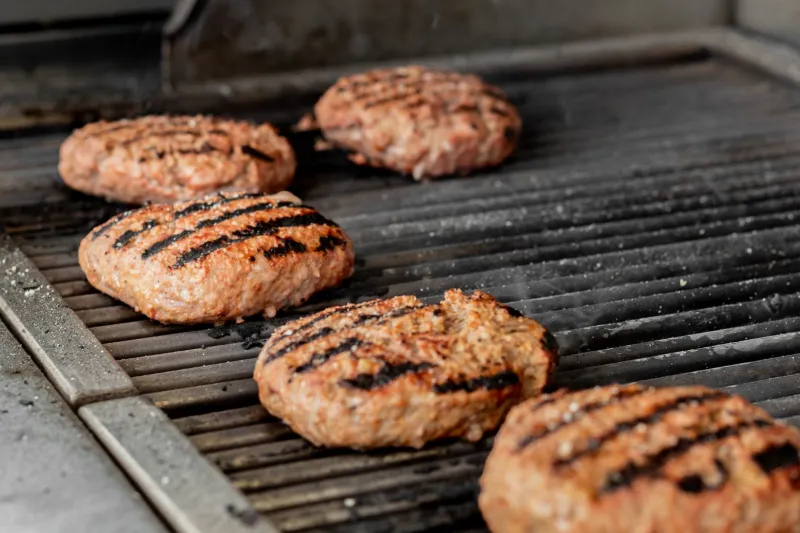
At a cookout, you're also dealing with the unpredictability of live fire. Charcoal grills don't run on a schedule. Flare-ups happen. Someone shows up late and wants a burger. The window between "food is almost ready" and "food is on the table" can stretch from three minutes to fifteen, and that gap is where shakes go to die.
The solution isn't to blend faster. It's to build a timeline that accounts for every variable before you light the first briquette.
Step One: Know Your Grill Method's Real Timeline
Different grill setups have dramatically different timelines, and your shake strategy has to match.
Charcoal grill: Budget 20 to 30 minutes for the coals to reach cooking temperature after lighting. Then add your actual cook time — typically 8 to 12 minutes for burgers, depending on thickness and desired doneness. Total time from match to plate: 35 to 50 minutes on average. This gives you a relatively long runway to plan shake timing.
Gas grill: Preheating takes 10 to 15 minutes. Cook times are similar to charcoal. Total time from ignition to plate: 20 to 30 minutes. The shorter runway means you need to be more intentional about when you start blending.
Pellet smoker: If you're doing low-and-slow, you're looking at hours, which actually makes timing easier — you have plenty of time to prep shakes and chill them properly right before serving. The challenge here is keeping shakes cold during a long cook day.
Write your grill's realistic timeline on a sticky note and put it in your cookout kit. Seriously. It's the anchor for everything else.
Step Two: Classify Your Shakes
Not all milkshakes melt at the same rate, and knowing your shake type changes your blend timing.
Thick, high-fat shakes (think dense chocolate, peanut butter, or full-fat vanilla) hold their structure for 8 to 12 minutes at typical outdoor summer temperatures before they start noticeably thinning. These give you the most flexibility.
Lighter, fruit-forward shakes (strawberry, peach, citrus blends) tend to be lower in fat and higher in liquid content. They start losing texture faster — sometimes within 5 to 7 minutes in direct sun.
Blended frozen drink-style shakes (more ice, less cream) can actually hold up longer in terms of cold temperature but lose the creamy texture quickly as the ice melts unevenly.
For outdoor summer cookouts, your best insurance policy is always a thicker, higher-fat shake. It buys you time.
Step Three: The Blend Window
Here's the core rule: blend your shakes no more than 8 minutes before you expect food to hit the table.
Not before you start cooking. Not when you flip the burgers. When you expect plates to land in front of people.
For a charcoal setup with a 35 to 50-minute runway, that means you're blending during the final few minutes of the cook — which is also when you're doing last-minute prep like toasting buns and setting out condiments. Build shake-blending into that final stretch explicitly.
For a gas grill with a shorter window, you might be blending while the first batch of burgers is already resting. That's fine — a two to three minute rest on a burger is actually good practice, and it gives you your blend window.
The Crowd Size Factor
This is where home entertainers most often get tripped up. Blending for two is easy. Blending for twelve is a logistical challenge.
A standard home blender handles two generous shake servings per batch. If you're feeding eight people, that's four blender runs. At roughly two minutes per blend cycle including pour time, you're looking at eight minutes minimum — and that assumes no interruptions.
Strategies that actually work:
Pre-batch your mix. The night before or morning of, combine your ice cream, milk, and any mix-ins (except ice or frozen ingredients that would melt) and refrigerate in a large pitcher. When it's blend time, you're just pouring and running — no measuring, no digging for scoops.
Stage your blending. Start with the kids' shakes (simpler flavors, smaller portions) and work up to adult servings. Kids are usually seated and eating faster anyway, so their shakes can go out first while adult food finishes.
Use a second person. Assign someone the role of Shake Station. One person manages the grill, one manages the blender. This is the single most effective strategy experienced outdoor entertainers use, and it's embarrassingly simple.
Keeping Shakes Cold While You Wait
Sometimes, despite your best planning, the grill runs late. When that happens, you need a holding strategy.
Pre-chill your glasses in the freezer for at least 30 minutes before the cookout. A frozen glass extends the life of a finished shake by several minutes — the glass absorbs heat instead of the shake.
If shakes are blended and waiting, keep them in the freezer (not the fridge) in the serving glasses. Pull them out when you're 90 seconds from plating food. Give them a quick 10-second stir before serving — they may have set up slightly in the freezer, and this brings them back to the right consistency.
For large gatherings, a cooler with ice can hold shake glasses upright for short periods. It's not elegant, but it works when the grill timeline goes sideways.
The System in Action
Here's what a real cookout timeline looks like with this approach baked in:
- T-minus 30 min: Pre-batch shake mix into pitcher, refrigerate. Pre-chill glasses in freezer.
- T-minus 20 min: Light charcoal (or T-minus 15 for gas).
- T-minus 5 min: Assign shake station person. Set out toppings and straw supplies.
- T-minus 3 min: Begin blending in batches. Pour into frozen glasses.
- T-zero: Food hits the table. Shakes are delivered. Everyone wins.
The grill-and-shake experience is about that moment of contrast — the smoky heat of a perfect burger and the cold, creamy hit of a great shake arriving together. That moment doesn't happen by accident. It happens because someone thought it through. Now that someone is you.