The Secret Ingredient Your Milkshake Has Been Missing Is Already on Your Grill
Let's be honest: when someone says "savory milkshake," there's a reflexive cringe. It conjures images of failed experiments — something that tastes like a mistake, like someone got confused between the dessert menu and the appetizer list.
But here's the thing. The most celebrated flavor pairings in American food are already savory-sweet combinations. Maple bacon. Salted caramel. Honey-glazed ribs. Chocolate-covered pretzels. Your palate has been enthusiastically accepting savory-sweet contrasts your whole life. The milkshake world just hasn't fully caught up yet.
And at the center of this conversation is umami — the fifth taste, the one that makes grilled food taste so deeply satisfying — and what happens when you let it inform your shake game.
What Umami Actually Is (Without the Science Class)
Umami is the savory, mouth-coating richness you experience when you eat something that's high in glutamates — naturally occurring compounds that activate specific taste receptors on your tongue. It's the reason a perfectly charred burger tastes so much more complex than a boiled one. It's the depth in caramelized onions after they've been cooking low and slow. It's the lingering satisfaction of crispy bacon.
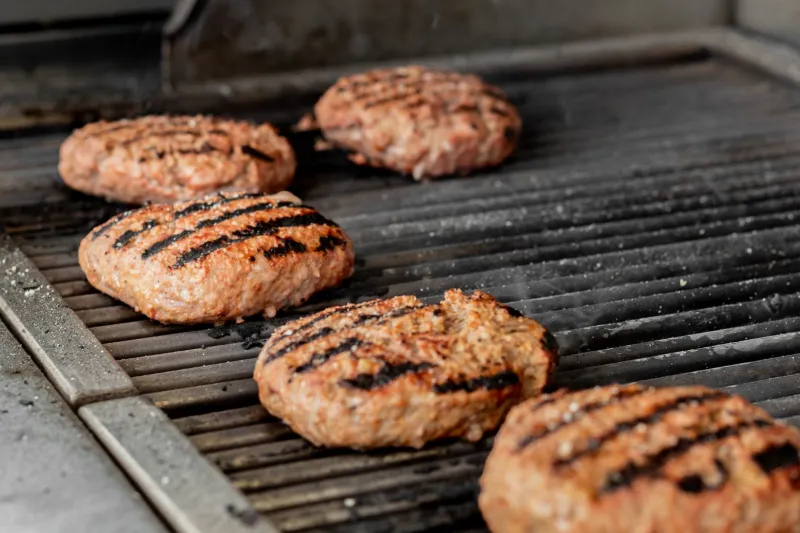
The Maillard reaction — that beautiful browning that happens when proteins and sugars meet high heat — is umami's best friend. It's exactly what happens on a grill. When food hits those hot grates and starts to char and caramelize, glutamate levels increase, and the umami signal gets louder.
So when you're standing over the grill at a Grill 'N Shake-style cookout, you're essentially creating an umami factory. The question is: what do you do with that?
Why Umami and Sweetness Are Natural Partners
In flavor science, contrasting tastes don't cancel each other out — they amplify each other. Salt makes sweet things taste sweeter (which is why salted caramel became the flavor of the decade). Bitterness makes richness more pronounced. And umami, interestingly, enhances sweetness perception while also adding a savory backbone that keeps sweet flavors from becoming cloying.
This is the key insight. You're not trying to make a "weird" shake. You're trying to build a shake that tastes more complex, more interesting, and more satisfying alongside a grilled meal. A small amount of umami in a milkshake doesn't make it taste like a burger — it makes the sweetness pop while adding a depth that feels intentional.
High-end restaurants have been playing in this space for years. Bacon milkshakes at craft burger joints. Miso caramel sundaes. Smoked salt chocolate shakes. These aren't novelty items anymore — they're the result of chefs understanding that umami is a tool, not a gimmick.
The Grill's Best Umami Contributors
Before you start experimenting, it helps to know which grilled ingredients carry the most umami potential.
Charred mushrooms are among the highest natural sources of glutamates in the vegetable world. Portobello mushrooms grilled until they have real char on them are intensely savory. When blended into a chocolate or coffee shake in small amounts, they add an earthy depth that's almost indistinguishable as "mushroom" — it just reads as richness.
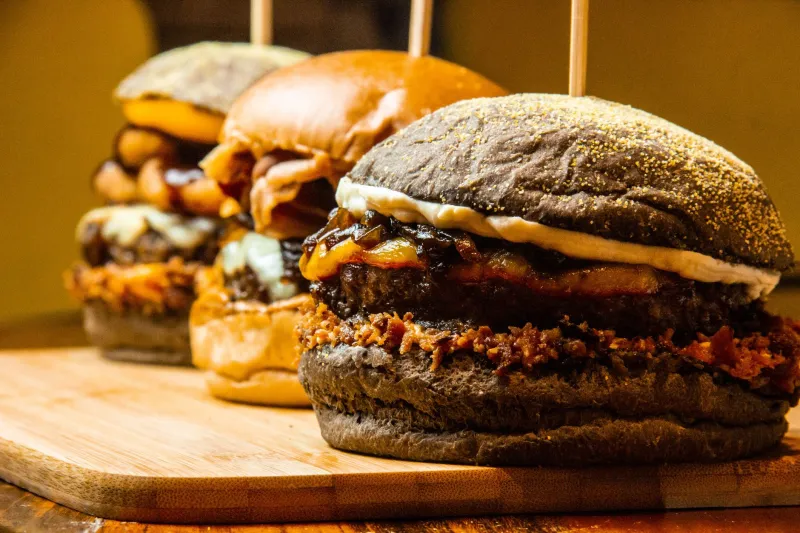
Bacon is the crowd-pleaser gateway into savory-sweet shakes. The combination of smoke, fat, salt, and the umami from cured pork is already familiar to most Americans in sweet contexts (think bacon donuts, bacon-wrapped dates). Crumbled candied bacon on top of a caramel or maple shake isn't a stretch — it's a logical next step.
Caramelized onions sound alarming in a shake context, but hear this out: deeply caramelized onions are sweet. The sugars in onions develop over long cooking into something almost jam-like. Their umami is subtle and their sweetness is real. A small amount blended into a savory-leaning vanilla or butterscotch shake adds complexity without any onion flavor coming through in a way that's identifiable.
Grilled or smoked cheese — specifically sharp cheddar or smoked gouda — is a more adventurous route that pays off in the right context. A smoked gouda milkshake sounds like a dare, but paired with a thin drizzle of honey and served alongside a BBQ pulled pork situation, it works in a way that's hard to explain until you try it.
A Framework for Experimenting Without Creating Disasters
The key to savory-sweet shake success is the ratio. Umami elements should be supporting characters, not the lead. Here's a working framework:
Start with a sweet, rich base. Vanilla, caramel, chocolate, and butterscotch are the most forgiving bases for umami additions. Fruit-forward shakes (strawberry, peach) are more fragile — save those for when you've gotten comfortable with the technique.
The 10% rule. Whatever your umami ingredient is, keep it at roughly 10% of your total shake volume by weight at first. For a two-serving shake using two cups of ice cream, that's about two tablespoons of a prepared umami element (mushroom reduction, bacon crumble, caramelized onion). Taste, then adjust up from there.
Add a fat bridge. Umami elements integrate more smoothly when there's a fat component connecting them to the sweet base. A tablespoon of cream cheese, a spoonful of nut butter, or even a drizzle of olive oil can act as an emulsifying bridge between savory and sweet elements.
Use salt as a signal. A small pinch of smoked salt or flaky sea salt on top of a finished shake signals "intentional savory element" to the person drinking it. It primes their expectation before the first sip, which makes the experience land as sophisticated rather than confusing.
Three Shake Concepts Worth Trying This Cookout Season
The Smoky Caramel Bacon Shake: Vanilla ice cream base, a generous drizzle of smoked caramel sauce, two tablespoons of finely crumbled candied bacon blended in, finished with a strip of bacon on the rim. This is the gateway shake — familiar enough to feel safe, interesting enough to start a conversation.
The Charred Mushroom Mocha: Coffee ice cream base, a shot of espresso, one tablespoon of finely minced charred portobello mushroom (you won't taste it as mushroom — it just deepens the coffee), and a pinch of smoked salt. Dark, rich, and surprisingly complex.
The Butterscotch Onion Experiment: Butterscotch ice cream or a vanilla base with butterscotch sauce, one tablespoon of very deeply caramelized onion (cooled and strained of excess liquid), a fat bridge of cream cheese, and a drizzle of honey to finish. This one surprises people the most, and in the best way.
The Bigger Point
The grill-and-shake pairing has always been about contrast — hot and cold, savory and sweet, smoke and cream. Umami is just the next frontier in that conversation. It's not about making strange food. It's about understanding that the flavors already happening on your grill are some of the most powerful, complex flavors in American cooking — and your milkshake doesn't have to pretend they don't exist.
Try it once. Adjust. Try it again. That's how every great cookout tradition started.