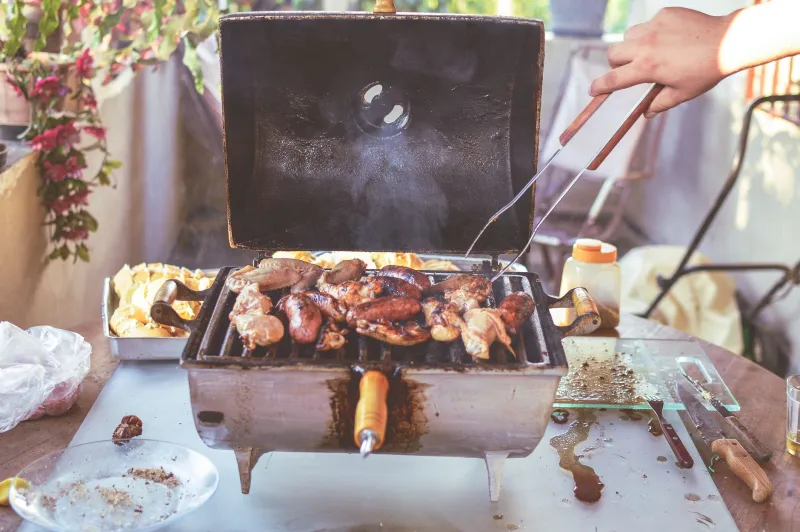
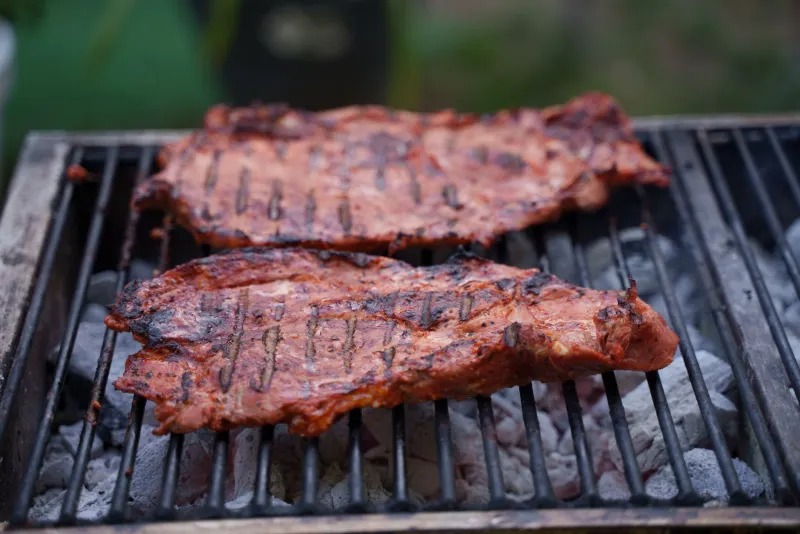
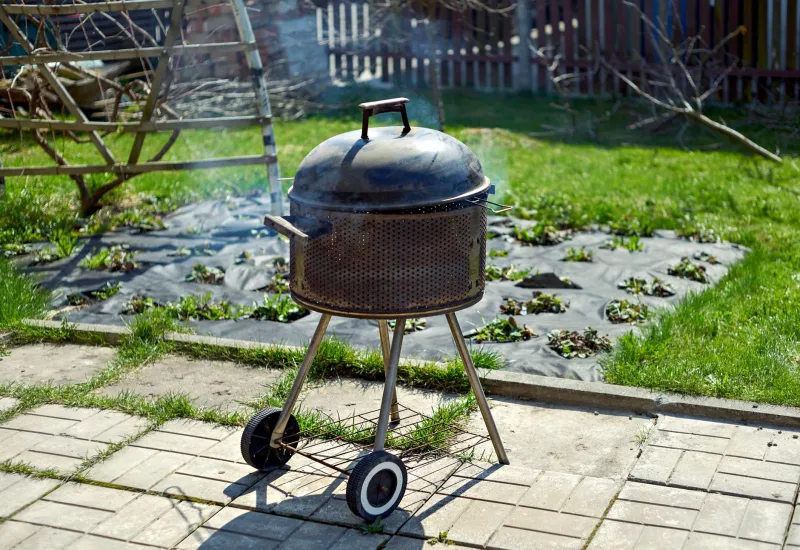
Gas, Charcoal, or Electric: Which Grill Type Is Actually Built for a Shake-Friendly Cookout?
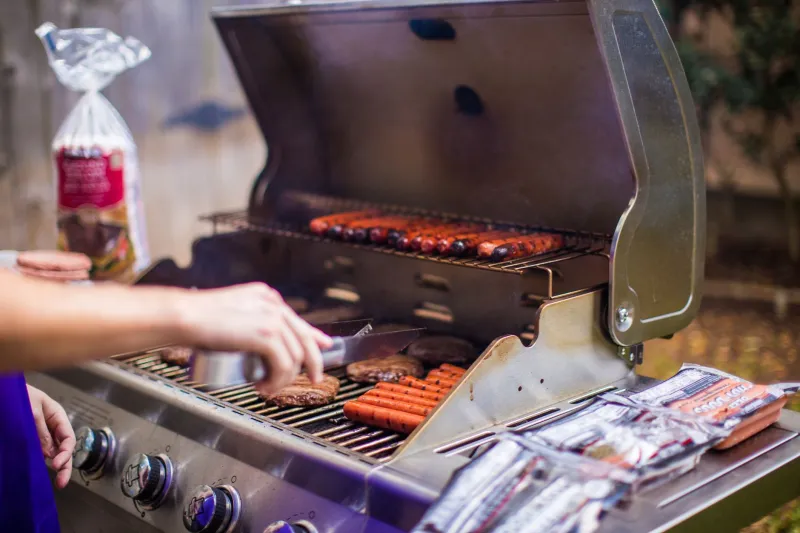
Let's be honest — the gas vs. charcoal debate has been raging at backyard cookouts since roughly the invention of the backyard. Everyone has an opinion, most people think theirs is correct, and at least one uncle is ready to argue about it until the burgers go cold. But here at Grill 'N Shake, we've got a slightly different angle on the whole thing.
We don't just care about how your grill performs. We care about how it performs while you're also trying to blend a batch of thick, creamy milkshakes for the whole crew. Because that's the game we're playing. Smoke on one end, chill on the other — and the grill you choose has a bigger impact on that balance than most people realize.
So let's settle this thing, shake-first.
The Case for Gas: Convenience Is King
If you've ever tried to flip burgers with one hand while running a blender with the other, you already understand the appeal of a gas grill. These things are the multitaskers of the outdoor cooking world. Turn a knob, wait a few minutes, you're cooking. No babysitting required.
That hands-free quality is a massive win when milkshakes are part of your cookout spread. Gas grills let you set a temperature and walk away — at least for a few minutes — which is exactly the window you need to drop ice cream into a blender, hit the button, and pour out a round of shakes before anyone notices the hot dogs are getting lonely.
Temperature control is another huge plus. Gas grills are precise in a way that charcoal just isn't. You can dial in the heat, reduce it, or boost it without having to physically rearrange burning coals. For a shake-focused cookout where timing matters (because nobody wants a melted shake sitting next to a cold burger), that kind of control keeps the whole operation running smoothly.
The downside? Flavor. Gas grills produce a clean, consistent cook, but they don't deliver that deep, smoky complexity that charcoal fans live for. If your milkshake menu leans into bold, smoky-sweet flavor pairings — think a brown butter caramel shake alongside a charred brisket — gas might leave you wanting a little more from the food side of the equation.
Best for: Families with kids, hosts who want to multitask without stress, apartment dwellers with a patio setup, and anyone whose milkshake game is ambitious enough to demand a free hand.
The Case for Charcoal: Flavor First, Logistics Second
Here's the thing about charcoal — it's a commitment. You're talking lighter fluid or a chimney starter, a 20-to-30-minute warm-up period, and an ongoing relationship with your vents to manage the heat. It's basically a part-time job. A delicious, smoke-scented, deeply satisfying part-time job.
And that's exactly the problem when milkshakes are in the picture.
Charcoal grills demand attention. The moment you step away to blend a batch of strawberry shakes, the temperature can spike or drop depending on the wind, the fuel load, and the general mood of the universe that afternoon. You can't just set it and forget it. Charcoal cooking rewards patience and presence — two things that are hard to offer when you've also got a blender going on the kitchen counter.
That said, the flavor payoff is unreal. Charcoal gives you that authentic smokiness that makes grilled meats taste like they were kissed by actual fire, because they were. If your milkshake pairings are built around bold, savory-sweet contrasts — a smoky chipotle burger next to a honey vanilla shake, for example — charcoal makes the food side of that equation sing in a way that gas simply can't replicate.
The move here is planning. If you're going charcoal, batch your shake prep before the grill hits full temp, or designate a second person to handle the blender while you manage the coals. Divide and conquer. It works.
Best for: Flavor-obsessed grillers who don't mind the extra effort, households with a dedicated grill helper, and cookouts where the food is the main event and shakes are the encore.
The Case for Electric: The Underdog Nobody Talks About
Electric grills don't get a lot of love at cookouts, and honestly, that's a little unfair. Yes, they lack the drama of charcoal and the raw power of a big gas setup. But for the right situation, they're actually an incredibly smart choice — especially for a Grill 'N Shake-style menu.
Here's why: electric grills are the most hands-off option of the three. Plug it in, set the temp, walk away. They're also the safest option for indoor-adjacent cooking, which means you can have the grill on a covered porch or balcony and your blender on the kitchen counter just a few steps away. The logistics of running a shake-and-grill operation get dramatically simpler when everything is within arm's reach.
Electric grills also tend to be compact, which matters if you're working with a small outdoor space. A tight patio setup can still pull off a full Grill 'N Shake spread if you're working with the right equipment.
The obvious trade-off is that electric grills don't produce smoke, so the flavor profile is closer to an indoor grill pan than a true outdoor cook. The grill marks are real, but the smokiness isn't. For shake pairings that lean lighter and fruitier — a peach shake with grilled chicken, a mint chip shake with veggie skewers — that's actually totally fine. The flavors don't need that deep char to work.
Best for: Apartment and condo dwellers, small-space cookouts, beginner grillers, and anyone prioritizing shake production efficiency over smoky food flavor.
So Which One Actually Wins?
If we're handing out a trophy for the grill that plays best with a milkshake-focused menu, gas takes the crown — but with a caveat. Gas wins on convenience, temperature control, and the freedom to step away and blend without watching your food turn into charcoal (pun intended). It's the most compatible with the Grill 'N Shake lifestyle, where the food and the shakes share equal billing.
Charcoal earns the runner-up spot for flavor, and if you've got a system — a helper, a solid game plan, or a batch-ahead shake strategy — it absolutely belongs in the conversation. Electric is the sleeper pick that more people should consider, especially in smaller spaces where flexibility matters more than tradition.
At the end of the day, the best grill is the one that lets you do both things well: cook something worth eating and pour something worth sipping. That's the whole point. Where the grill meets the chill — and the right setup makes it a whole lot easier to live there.
Now stop reading and go fire something up.