Cooking for One? Here's How to Grill Small and Still Eat Like a King
Grilling has a bit of an image problem when it comes to small households. Open any cookbook, scroll any food blog, and the recipes are almost always built for four, six, or eight people. The assumption seems to be that grilling is inherently a group activity — a big family thing, a party thing, a neighborhood-gathering thing.
But here's the truth: some of the best grilling happens when it's just you, or maybe you and one other person. No crowd to manage. No dietary restrictions to juggle across twelve people. Just you, a hot grate, and exactly the food you want to eat.
At Grill 'N Shake, we believe the grill-and-shake experience belongs to everyone — including the solo cook on a Tuesday night who just wants a great burger and a vanilla shake without cooking enough food to feed a baseball team. Here's how to make it happen without the waste, the stress, or the sad leftover containers piling up in your fridge.
Right-Sizing Your Setup
The first thing to address is the equipment itself. If you're cooking for one or two, a full-sized gas grill or a large kettle charcoal grill isn't always the most practical choice — not because it won't work, but because heating up that much real estate for two chicken thighs feels like overkill.
Consider these alternatives:
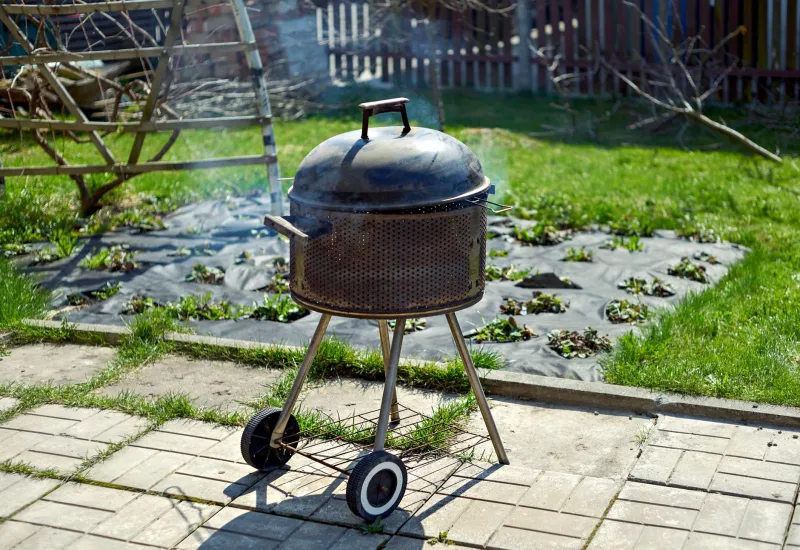
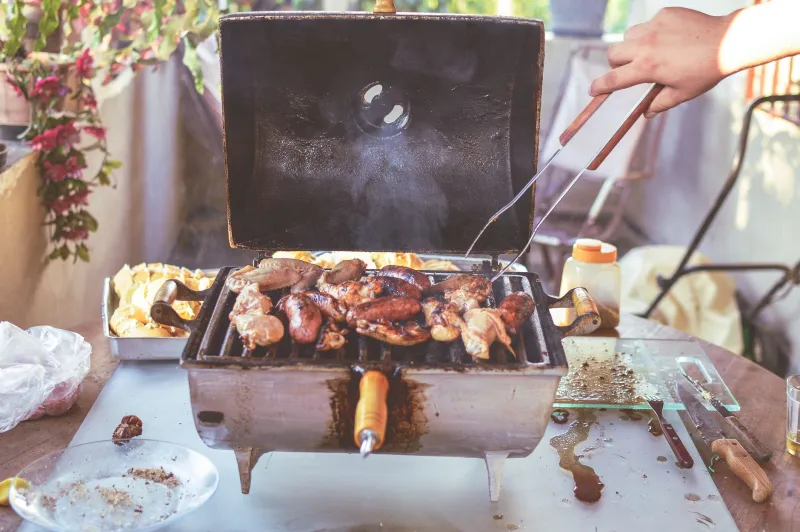
- Compact tabletop grills like a small Weber or a portable propane unit are perfect for small-batch cooking. They heat up fast, use less fuel, and are easier to clean.
- Cast iron grill pans are a solid indoor option when you don't want to fire up outdoor equipment for a single portion.
- Two-zone setups on a full grill still work — just use one side and keep the rest off. You get the full grilling experience without wasting heat across the whole surface.
The goal is matching your heat source to the volume of food you're actually cooking. That's not just about efficiency — it also gives you better control over smaller cuts of meat, which cook faster and are more sensitive to temperature swings.
Buying Smart So You're Not Stuck with Too Much
One of the biggest waste culprits for solo cooks isn't the cooking itself — it's the shopping. Meat is often packaged in family-sized quantities, which means buying a pound and a half of ground beef when you only need six ounces.
A few strategies that actually work:
- Visit a butcher counter. Most grocery stores with a proper butcher section will cut and wrap exactly what you ask for. Want one pork chop? One chicken breast? Just ask.
- Buy in bulk, portion at home. If bulk is your only option, divide the meat into single or double portions as soon as you get home, wrap them individually, and freeze what you don't need. You've essentially built your own meal-kit system.
- Embrace versatile proteins. Chicken thighs, skirt steak, and salmon fillets are naturally sized for one to two portions and are among the most forgiving cuts on the grill.
Mastering Portion Control on the Grill
When you're scaling down, technique matters more than ever. Here's what changes when you're grilling for one or two:
Watch your cook times closely. Smaller portions cook faster. A single chicken breast over medium-high heat is done in about six to seven minutes per side — less if it's thin. Don't walk away.
Use a meat thermometer every time. When you're cooking one steak or one piece of fish, there's no room for a mistake. A $15 instant-read thermometer is the best insurance policy you can buy.
Control your heat zones. Even on a small grill, set up a hot side and a cooler side. Sear your protein on the hot side, then move it to the cooler side to finish cooking through without burning the outside. This technique matters even more with smaller cuts that can go from perfect to overdone in under a minute.
Season aggressively. Smaller portions mean less surface area to absorb flavor. Don't be shy with your rub, marinade, or seasoning. A well-seasoned single pork chop will beat a blandly seasoned rack every time.
Getting Creative with Leftovers (Without Getting Bored)
Even with careful portioning, you'll occasionally end up with extra grilled food. That's not a failure — it's an opportunity, as long as you plan for it.
Grilled chicken from Monday night becomes a killer grain bowl topping on Tuesday. Leftover steak gets sliced thin for tacos on Wednesday. Grilled vegetables tossed into scrambled eggs the next morning. The key is to think of your leftovers as ingredients, not just reheated versions of last night's dinner.
A few of our favorite small-batch leftover moves:
- Grilled veggie quesadillas. Whatever grilled peppers, onions, or zucchini you have left, pile them into a tortilla with some cheese and hit a hot skillet for two minutes per side.
- Steak and egg breakfast. Slice leftover steak thin, warm it briefly in a pan, and serve alongside fried eggs. Ten minutes, zero waste, genuinely great meal.
- Grilled chicken salad. Chop it up, add whatever's in your fridge — greens, cherry tomatoes, a handful of nuts — and dress it simply. Lunch is handled.
Shake Recipes Built for Small Servings
Here's where the Grill 'N Shake philosophy really shines for solo cooks: a great milkshake is just as easy to make for one as it is for a crowd. Actually, it's easier.
No need to scale anything down dramatically — a standard single-serve shake uses about two to three scoops of ice cream and a splash of milk. That's it. Here are three go-to small-batch shake combinations worth keeping in your back pocket:
The Solo Classic: 2 scoops vanilla ice cream, ¼ cup whole milk, 1 tablespoon caramel sauce. Blend until smooth. Top with a little whipped cream if you're feeling it.
The Post-Grill Reset: 2 scoops chocolate ice cream, ¼ cup milk, 1 tablespoon peanut butter. Rich, cold, and perfect after anything smoky off the grill.
The Seasonal Single: 2 scoops strawberry ice cream, a few fresh or frozen strawberries, a squeeze of lemon juice. Bright, fruity, and refreshing on a hot evening.
All three take under three minutes to make. All three are exactly the right amount for one person — or two people sharing, if you're feeling generous.
Keeping the Fun When the Crowd Is Small
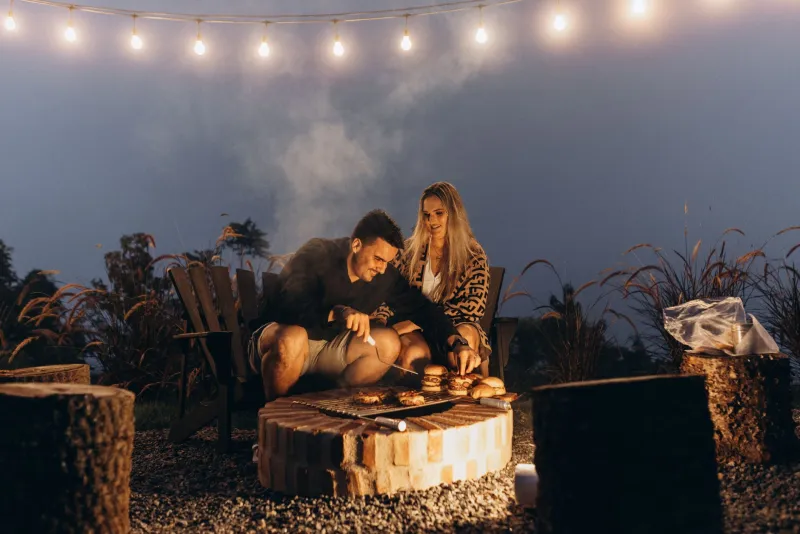
This might be the most important thing to say: cooking for one or two doesn't have to feel like a compromise. The grill-and-shake experience is just as worth celebrating when it's intimate as when it's a full backyard party.
Set the table. Use a real glass for your shake instead of drinking it out of the blender cup. Put on some music. Light a candle if that's your thing. The ritual of a cookout — the smell of the grill, the cold shake in your hand, the satisfaction of a meal you made yourself — doesn't require an audience to be meaningful.
Grilling small isn't a lesser version of the experience. It's just a different one. And honestly? It might be the best version of all.