Grill Like a Pro Without Spending Like One: Your Budget Cookout Playbook
Let's get something straight right away: expensive equipment does not make you a better grill cook. Neither does buying the priciest cuts at the butcher counter. Some of the most flavorful, crowd-pleasing grilled food you'll ever eat comes from cheap cuts, humble pantry staples, and technique that costs exactly nothing to learn. At Grill 'N Shake, we're all about the full experience — great food, great shakes, great company — and none of that has to cost a fortune.
This is your no-nonsense guide to grilling well on a real-world budget.
Stop Sleeping on Affordable Cuts
The grilling world has a bit of a premium-cut obsession, and it's doing a lot of home cooks a disservice. Yes, a ribeye is delicious. But chicken thighs, pork shoulder steaks, skirt steak, chicken drumsticks, and beef chuck steaks are all genuinely fantastic on the grill — often more forgiving and more flavorful than their pricier counterparts — and they cost a fraction of the price.
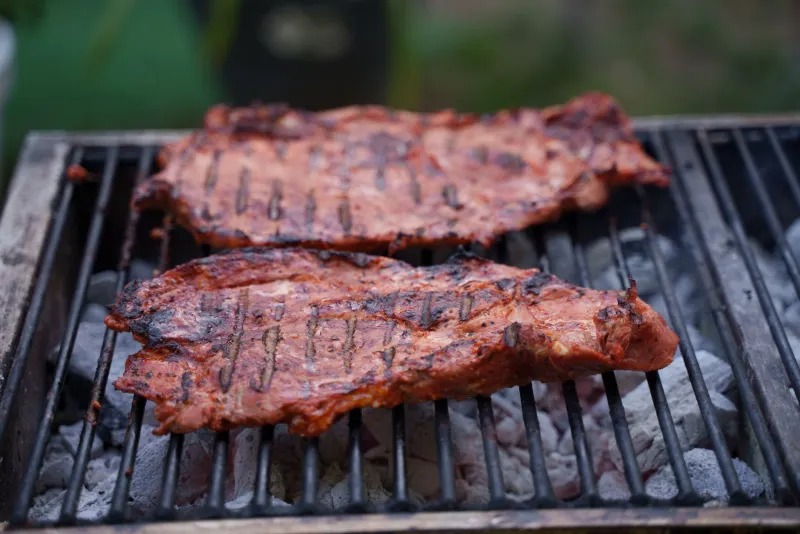
Skirt steak is one of the best-kept secrets at the butcher counter. It's thin, intensely beefy, and takes to marinades like nothing else. Cooked fast over high heat and sliced thin against the grain, it rivals fajita-quality flank at a noticeably lower price per pound.
Chicken thighs (bone-in, skin-on) are almost impossible to overcook and develop incredible char thanks to their fat content. They're usually half the price of chicken breasts and twice as forgiving on the grill.
Pork shoulder steaks are cut from the same muscle as pulled pork and are absolutely loaded with marbling. Grill them like a regular steak — medium-high heat, a few minutes per side — and you'll get something juicy, slightly smoky, and deeply satisfying for under $3 a pound in most parts of the country.
DIY Marinades Are Your Secret Weapon
Bottled marinades are convenient, but they're also expensive, often loaded with sugar and sodium, and — here's the honest truth — usually not as good as what you can make in five minutes with pantry basics.
A solid all-purpose grill marinade follows a simple formula: acid + fat + flavor + salt.
- Acid (breaks down proteins and tenderizes): white vinegar, apple cider vinegar, citrus juice, or even hot sauce
- Fat (carries flavor and helps with browning): olive oil, vegetable oil, or sesame oil
- Flavor (the personality of the marinade): garlic, onion powder, smoked paprika, cumin, dried herbs, Worcestershire sauce, soy sauce
- Salt (draws moisture and seasons deeply): kosher salt, soy sauce, or fish sauce
A basic mix of soy sauce, garlic, olive oil, and a squeeze of lime costs maybe 30 cents and works beautifully on chicken, pork, and even vegetables. A chipotle-lime marinade made with canned chipotles in adobo (about $1.50 a can that'll last multiple uses), lime juice, garlic, and oil transforms cheap chicken thighs into something that tastes like it came off a restaurant grill.
Most cuts benefit from at least 30 minutes in a marinade, but overnight in the fridge is where the real magic happens.
Build Flavor With What's Already in Your Pantry
A dry rub costs almost nothing and does more for a piece of meat than most people realize. The combination of salt, pepper, garlic powder, onion powder, and smoked paprika — staples that probably already live in your spice cabinet — creates a crust on grilled meat that adds serious depth of flavor.
Smoked paprika deserves a special shoutout here. It's cheap (usually under $3 for a jar), widely available at any grocery store, and adds a subtle smokiness that makes people think you've been running a smoker for hours. Sprinkle it generously on pork, chicken, or even grilled corn and watch the reaction.
Brown sugar in a dry rub is another budget move that punches way above its weight. It caramelizes on the grill and creates a slightly sweet, lacquered crust that makes cheap cuts look and taste expensive.
Hack Your Grill Setup for Better Results
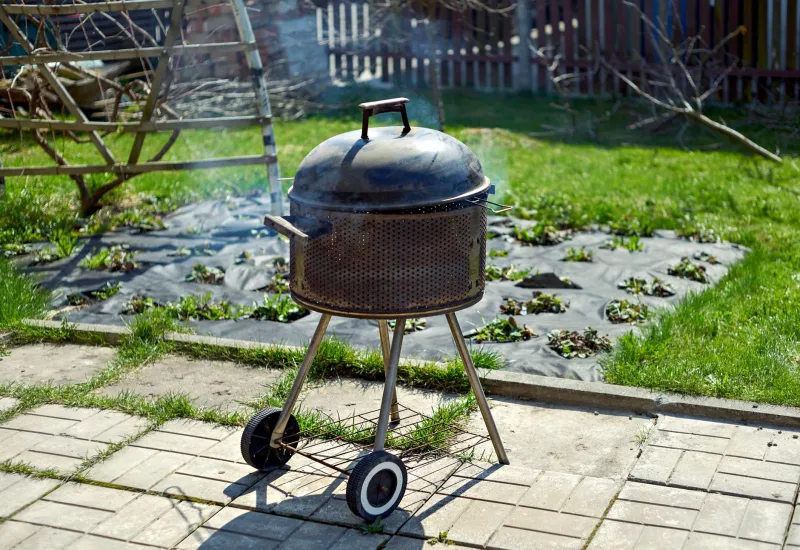
You don't need a $500 grill to get great results. A basic charcoal kettle grill — which you can find at most big-box stores for under $50 — is genuinely capable of producing excellent food. Even a basic gas grill with two burners gives you what you need.
The technique that changes everything on any grill is the two-zone setup. On a charcoal grill, push all the coals to one side. On a gas grill, leave one burner on high and keep the other on low or off. This gives you a hot side for searing and a cooler side for finishing. Cheap cuts especially benefit from this — sear them over direct heat to develop color and crust, then move them to the indirect side to finish cooking without burning.
A cast iron skillet placed directly on the grill grates is another low-cost trick that expands what your grill can do. Use it for sautéing vegetables, making a quick pan sauce with grill drippings, or even warming up buns without burning them.
Stretch Your Proteins With Smart Planning
Buying in bulk and planning meals around a single large cut is one of the most effective budget strategies out there. A whole pork shoulder, for example, can be grilled low and slow on a weekend and then stretched into three or four different meals throughout the week — tacos, sandwiches, grain bowls, fried rice. The per-serving cost drops dramatically when you think this way.
The same logic applies to a whole chicken versus buying pieces. Spatchcock it (cut out the backbone and flatten it), season aggressively, and grill it over indirect heat. You get more servings, better flavor from the bones, and significant savings compared to buying individual breasts or thighs.
Don't Forget the Grill-and-Shake Connection
One of the best budget moves at any backyard cookout is leaning into the contrast between smoky, savory grilled food and a cold, sweet milkshake. A simple vanilla shake made with good ice cream and a splash of vanilla extract costs maybe $1.50 per serving and rounds out a budget cookout meal in a way that feels genuinely special.
You don't have to spend big to eat well. You just have to cook smart. And at Grill 'N Shake, that's always been the point.