Fire vs. Oil: When to Grill, When to Fry, and How to Know the Difference
Pull up to any summer cookout in America and you'll smell two things competing for your attention: the smoky char of something sizzling over open flame, and the irresistible golden scent of something crisping up in hot oil. Grilling and frying have been going head-to-head in American kitchens and backyards for generations, and the debate over which method reigns supreme is as heated as a cast iron skillet on a gas burner.
At Grill 'N Shake, we live on the grill side of the equation—but we're not here to be preachy about it. The truth is, both methods have genuine strengths, and understanding when to use each one will make you a smarter, more versatile cook. So let's settle this the right way: with facts, flavor notes, and zero food snobbery.
Round 1: Flavor and the Maillard Reaction
Both grilling and frying rely on the same fundamental chemistry to create flavor: the Maillard reaction, the process by which heat causes proteins and sugars in food to brown and develop complex, savory compounds. But the way each method gets there produces noticeably different results.
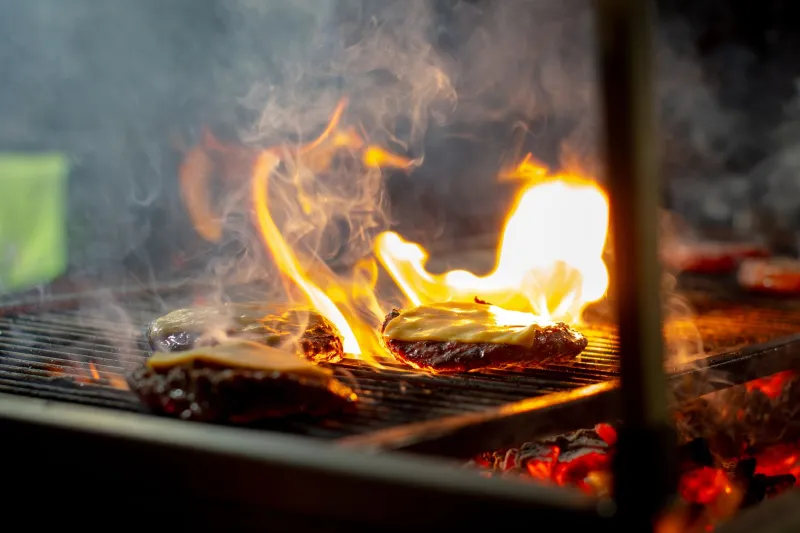
Grilling adds something frying simply cannot replicate—smoke. Whether you're using a charcoal kettle or a gas grill with wood chips, that smoky depth permeates the food and creates a flavor profile that's layered, slightly caramelized on the outside, and distinctly outdoorsy in the best possible way. A grilled chicken thigh has a charred crust and juicy interior that carries notes of the fire itself.
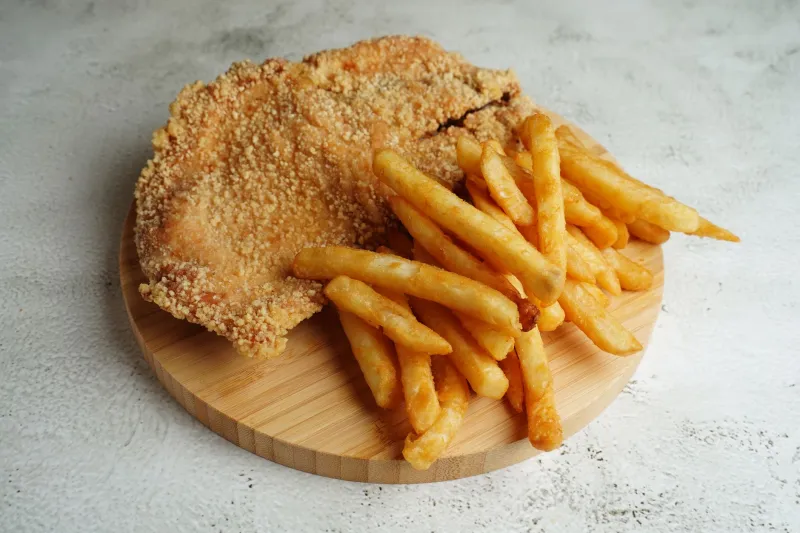
Frying, on the other hand, creates an extraordinarily crispy exterior by surrounding food in hot oil (typically between 325°F and 375°F). The crust that forms on a piece of fried chicken or a battered fish fillet is texturally in a class of its own—shatteringly crunchy, golden, and rich. The flavor comes from the breading and the oil as much as the protein itself.
Winner by category: Grilling wins on depth and smokiness. Frying wins on crunch and richness. Call it a draw based on personal preference.
Round 2: Nutrition—The Numbers Don't Lie
If you're paying attention to what you eat, this round matters. Grilling has a clear nutritional edge for one simple reason: food cooked over a grill doesn't sit in fat. Excess fat from the meat actually drips away during cooking, which means a grilled burger or steak is naturally leaner than its fried counterpart.
Frying, by contrast, adds calories through oil absorption. Even with proper technique—using the right oil temperature and not overcrowding the pan—fried foods absorb a meaningful amount of fat during cooking. A piece of fried chicken can have significantly more calories than the same piece grilled, simply due to the coating and oil.
That said, frying isn't nutritional poison. Cooking oils like avocado oil and refined coconut oil hold up well at high heat and contain beneficial fats. And a properly fried food, cooked at the right temperature, absorbs far less oil than something that's been sitting in a lukewarm, underseasoned bath.
Winner: Grilling, for those watching calorie intake. Frying, when you're treating yourself and want maximum satisfaction.
Round 3: Which Foods Actually Belong on the Grill vs. in the Fryer
This is where the conversation gets practical—and where a lot of home cooks make avoidable mistakes.
Foods that thrive on the grill:
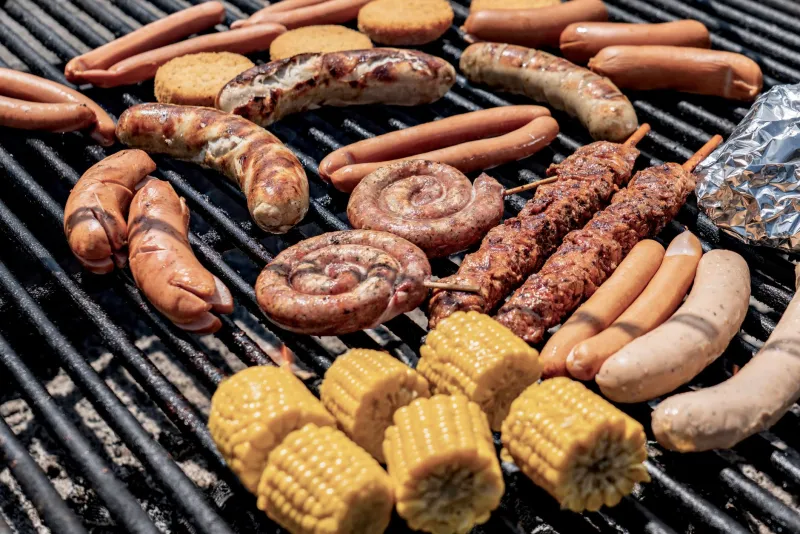
- Thick-cut steaks and burgers (the char is the whole point)
- Bone-in chicken pieces with skin on
- Vegetables like corn, zucchini, peppers, and asparagus
- Fish with firm flesh—salmon, swordfish, tuna
- Pineapple, peaches, and other fruits that caramelize beautifully over heat
Foods that genuinely need the fryer:
- Bone-in fried chicken (that crispy skin can't be replicated on a grill)
- Doughnuts, funnel cake, and other dough-based treats
- Calamari and battered shrimp
- French fries and onion rings
- Tempura vegetables
Some foods can go either way, but the method changes the outcome significantly. Chicken wings, for instance, are fantastic grilled with a dry rub and a brush of sauce—but if you want that Buffalo-style crunch, you're frying. Shrimp grills beautifully on skewers, but beer-battered shrimp needs hot oil to achieve its full potential.
Round 4: Cost and Convenience
Let's talk practicalities. Grilling requires upfront investment in equipment—a decent gas grill runs anywhere from $200 to $1,000+, and charcoal setups have ongoing fuel costs. But once you've got the gear, the actual cooking process is relatively low-cost and low-mess.
Frying at home has a lower equipment barrier (a good Dutch oven or cast iron skillet and a thermometer are all you really need), but the cost of quality frying oil adds up, especially since you'll go through a fair amount per session. Disposal of used oil is also a consideration that grilling sidesteps entirely.
From a time standpoint, grilling often requires preheating (15–20 minutes for a charcoal grill, less for gas) and outdoor setup. Frying can happen on your stovetop in minutes once the oil is up to temperature—which makes it faster for weeknight cooking in some scenarios.
Winner: Depends on your setup. Grilling wins for long-term cost efficiency; frying wins for spontaneity.
Round 5: The X-Factor — Experience and Occasion
Here's something the nutrition labels and taste tests can't fully capture: the experience of cooking itself. Grilling is social. It's the centerpiece of a backyard gathering, a reason to stand outside with friends, a ritual tied to warm weather and good company. There's a reason cookouts are a cornerstone of American summer culture.
Frying is more of a kitchen endeavor—focused, a little technical, and deeply satisfying when you nail it. It's the method you master for a Sunday supper or a game-day spread, not necessarily the one that becomes the main event of a party.
So Who Actually Wins?
Neither. And both. The best home cooks aren't loyal to one method—they're fluent in both and know when to reach for each one. Grill your burgers, your veggies, and your proteins on a weeknight or a weekend cookout. Fry your chicken, your fish, and your indulgent sides when the craving hits and you want something deeply satisfying.
At Grill 'N Shake, we know the grill is where the magic happens for us—but we'd never turn down a perfectly fried piece of chicken. The real win is knowing your tools, understanding your ingredients, and cooking with intention.
Now fire up whichever one you feel like tonight. Either way, you're eating well.