Hot Grill, Cold Shake: The Delicious Science of Why Cookout Milkshakes Hit Different
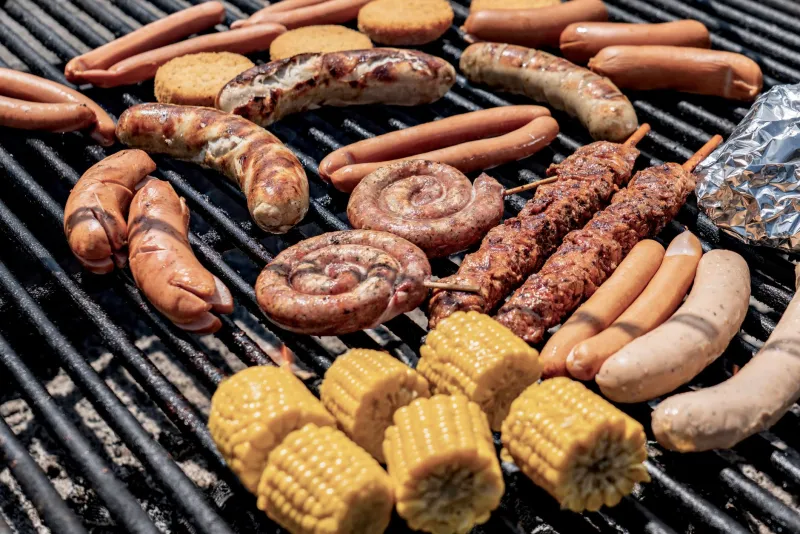
You've just flipped the last burger, pulled the corn off the grate, and handed out plates to everyone in the yard. The grill is still ticking as it cools down, the air smells like charred perfection, and someone hands you a milkshake. That first cold sip? It's almost transcendent.
But here's the thing — that shake didn't get better because the recipe changed. You changed. Your senses, your body temperature, your palate — all of it has been primed by the grilling experience in ways that make cold, sweet, creamy flavors land harder than they ever would at a kitchen table. Let's break down exactly what's going on.
Your Body Is Running Hot (Literally)
When you spend time near a grill — whether you're actively cooking or just hanging nearby — your core body temperature nudges upward. You're sweating a little, your skin is warm, and your internal thermostat is working overtime. That's not just discomfort. It's setup.
When something cold hits a warm body, the contrast is amplified. Cold beverages taste colder when you're overheated, and that physical sensation feeds directly into flavor perception. Scientists call this thermal taste interaction — the idea that temperature doesn't just affect how food feels, it affects how it tastes. Certain compounds in ice cream and milkshakes, particularly sweet ones, are more volatile and more detectable when the contrast between the food and your body is sharp.
In plain terms: your post-grill warmth makes the shake taste colder, which makes the sweetness pop harder, which makes the whole thing feel like a reward. And honestly, it is.
Smoke Does Something Sneaky to Your Taste Buds
Here's where it gets really interesting. Smoke isn't just a flavor — it's a sensory primer. When you're breathing in the aromatic compounds from a charcoal or wood fire (things like guaiacol and syringol, if you want to get nerdy about it), your olfactory system is working hard. It's cataloguing, processing, and essentially fatiguing on savory, earthy, and bitter notes.
By the time you take that first shake sip, your palate has been saturated with smoke and char. Sweet flavors — which operate on completely different taste receptors — feel like a dramatic contrast. It's the same reason a sip of water tastes almost sweet after eating something salty. Your senses crave balance, and your brain interprets that balance as pleasure.
This is why pairing milkshakes with grilled food isn't just a fun gimmick. It's genuinely smart flavor architecture.
The Palate Cleanse You Didn't Know You Needed
Grilled meats are intensely savory. Between the Maillard reaction (the chemical process that creates that gorgeous browned crust on your burger), the char, the fat, and the seasoning, your mouth has been through a lot by the time you hit dessert.
A milkshake acts as a kind of full-reset button. The cold temperature numbs lingering heat. The fat in the ice cream coats your palate and clears residual char compounds. The sweetness flips the script entirely. Flavor scientists refer to this as contrast enhancement — when two very different flavor profiles follow each other in quick succession, both are perceived as more intense than they would be in isolation.
That's why your vanilla shake tastes more vanilla after a smoky rack of ribs. The ribs aren't just food — they're context. And context, it turns out, is everything in flavor science.
The Outdoor Factor Is Real
Indoor eating is comfortable, climate-controlled, and mostly forgettable from a sensory standpoint. Outdoor eating is different. Research in sensory psychology consistently shows that environmental factors — fresh air, ambient sounds, natural light, even mild physical discomfort like heat — increase flavor intensity and overall enjoyment of food.
When you're outside, you're more present. You're not scrolling your phone at a table or half-watching TV. You're engaged — with the fire, with the people around you, with the smell of the grill. That heightened state of engagement translates directly to heightened taste perception. Psychologists call this attentional flavor amplification, and while the terminology is a mouthful, the concept is simple: paying attention makes things taste better.
A milkshake consumed at a backyard cookout is competing with big, bold sensory input from every direction. And somehow, it wins every time.
Fat, Sugar, and the Brain's Reward Loop
Let's not overlook basic biology here. After sustained physical activity — even mild exertion like grilling, carrying things around the yard, or playing cornhole — your body has burned through some glycogen. Your brain starts signaling a preference for calorie-dense foods. Ice cream is exactly that: fat and sugar in a cold, smooth delivery system.
When you're slightly depleted from being active outside, your brain's reward circuitry responds more strongly to high-calorie foods. Dopamine release is higher. Satisfaction is faster. That milkshake isn't just tasting good — it's hitting a biological craving that your indoor, sedentary self doesn't have quite as urgently.
This is also why cookout food in general tends to taste better than equivalent food made indoors. The effort, the heat, the activity — they all prime your body to want exactly what you're serving.
How to Make the Science Work for You
Understanding all this means you can actually engineer a better cookout experience. A few ideas:
- Time your shakes right. Serve milkshakes right after the main course, while the grill is still warm and everyone's palates are loaded with savory flavor. That contrast window is golden.
- Go bold on the grill before you go sweet. Heavily seasoned, well-charred proteins will prime taste buds more dramatically than lightly seasoned ones. The bigger the savory punch, the bigger the sweet payoff.
- Lean into complementary flavors. Smoky char pairs beautifully with caramel, brown sugar, and vanilla. If you've been grilling with hickory or mesquite, a caramel or butterscotch shake isn't just delicious — it's scientifically sound.
- Keep shakes thick. A thinner shake warms up and loses contrast faster. A thick, properly blended shake stays cold longer, extending that all-important temperature contrast window.
The Bottom Line
There's a reason Grill 'N Shake is built around the idea that grilling and milkshakes belong together — and it's not just because they're both delicious. The two experiences are genuinely made for each other at a sensory and physiological level. Heat primes you for cold. Savory primes you for sweet. Smoke primes your palate for contrast. And being outside, active, and engaged makes everything taste more vivid.
So next time someone asks why the milkshake at your cookout tasted so much better than the one you made at home on a Tuesday night, you can give them the full scientific breakdown. Or you can just smile, hand them another one, and let the grill do the explaining.