Blender, Hand Mixer, or Malt Machine: We Tested All Three So You Don't Have To
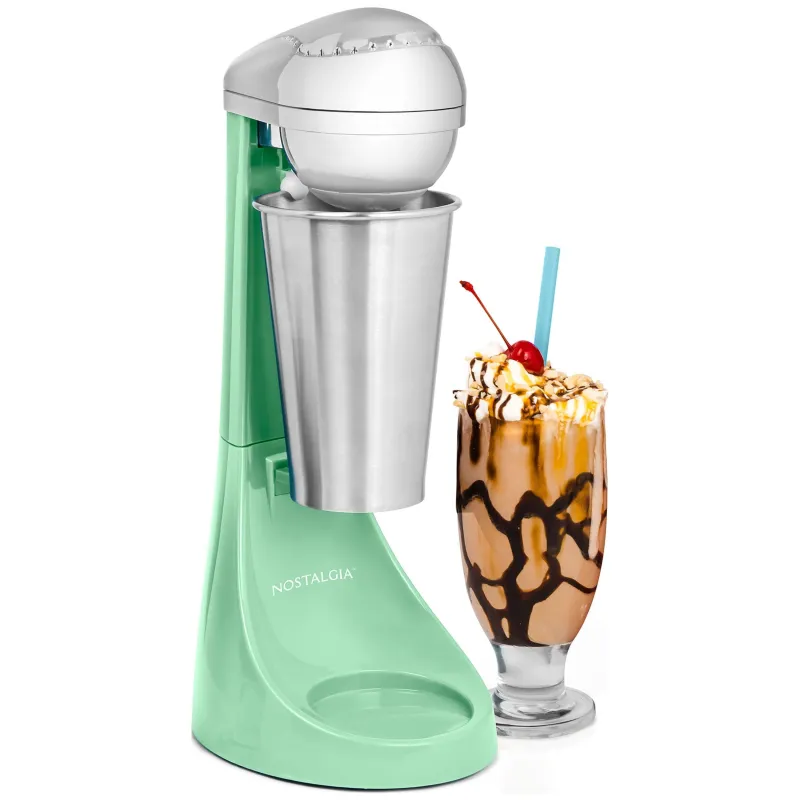
Photo: milkshake blender vintage malt machine kitchen comparison, via i5.walmartimages.com
Let's settle something right now: the tool you use to make a milkshake matters. A lot. You can have the best ice cream in the freezer, the freshest fruit, and the most premium chocolate syrup money can buy — and still end up with a lumpy, flat, or weirdly airy shake if your equipment isn't pulling its weight.
At Grill 'N Shake, milkshakes aren't an afterthought. They're the chill side of the equation — the thing that makes a hot, smoky cookout feel complete. So we decided to actually test the three most common shake-making methods: a high-powered countertop blender, a standard hand mixer, and a vintage-style malt machine. We ran each one through the same lineup of shake styles and scored them on texture, consistency, speed, and how well they preserved delicate flavors.
Here's what we found.
Round One: The High-Powered Blender
The countertop blender is probably sitting on your kitchen counter right now. It's the default choice for most home cooks, and honestly, it earns that spot — most of the time.
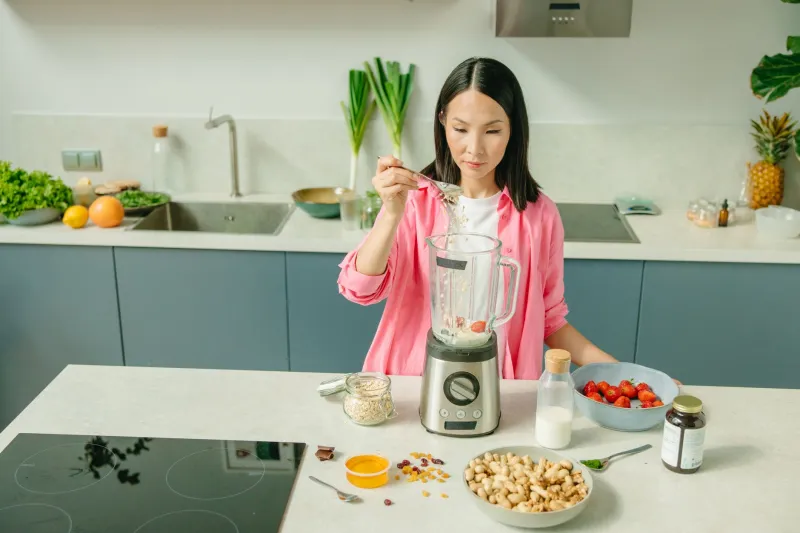
For thick, ingredient-heavy shakes, the blender is genuinely hard to beat. We threw in frozen banana chunks, peanut butter, protein powder, and a few scoops of vanilla ice cream. The blender chewed through all of it in about 45 seconds flat. The result? Smooth, creamy, and completely lump-free. For protein-style shakes or anything with hard mix-ins like frozen fruit or brownie chunks, this is your machine.
Where things got dicey was with classic diner-style shakes. When we blended a simple chocolate malt — just ice cream, milk, and malt powder — the high-speed blades incorporated a ton of air. The texture came out lighter than it should have, almost frothy. It tasted fine, but it wasn't that dense, spoonable diner shake we were going for. The blender also ran a little warm after extended use, which subtly softened the ice cream faster than we liked.
Best for: Protein shakes, frozen fruit blends, anything with chunky mix-ins. Watch out for: Over-aeration on simple, classic recipes.
Round Two: The Hand Mixer
Okay, hear us out before you scroll past this one. A hand mixer isn't the obvious choice for milkshakes, but it's more capable than most people give it credit for — especially when you're working with already-softened ice cream.
The technique here is different. You scoop your ice cream into a tall glass or wide cup, let it soften for about five minutes, add your liquid, and then use the hand mixer directly in the cup. What you get is a shake that's been folded together rather than pulverized. For simple flavor profiles — strawberry, vanilla, classic chocolate — this method actually produced some of the most balanced results of our test. The flavor wasn't diluted by over-blending, and the texture stayed thick without getting frothy.
The downside is obvious: it's slower, it's messier (splatter is real), and it absolutely cannot handle frozen fruit, ice chunks, or anything hard. It's also not great for large batches, which makes it a tough sell for cookout crowds.
That said, if you're making shakes for two and you want something simple and genuinely delicious without dirtying a full blender, the hand mixer is a sneaky solid option.
Best for: Small-batch classic shakes, quick weeknight treats, softer mix-ins like caramel or cookie crumbles. Watch out for: Splatter, limited power, can't handle frozen solid ingredients.
Round Three: The Old-School Malt Machine
Here's where things got interesting. We weren't expecting much from the vintage-style malt machine — the tall, spindle-style mixer you see in classic American diners. But this thing surprised us in the best possible way.
The malt machine doesn't blend. It spins. The spindle rotates at a consistent, moderate speed and folds your shake together in a way that neither the blender nor the hand mixer can replicate. The result is a shake with an almost silky density — thick enough to stand a straw straight up, with no excess air worked in. For a classic chocolate malt or a vanilla shake made with real malt powder, this machine is simply in a different league.
Texture-wise, it was the unanimous winner for traditional diner-style shakes. The consistency was even throughout, the flavor came through clean and pure, and the shake stayed cold longer because the machine didn't generate heat the way a high-speed blender does.
The tradeoffs are real, though. These machines take up counter space, they cost anywhere from $80 to $200 for a decent home model, and they're essentially single-purpose tools. They also struggle with anything frozen solid — you need to start with properly softened ice cream. But if your idea of the perfect cookout ends with a thick, old-fashioned shake? This is your machine.
Best for: Classic diner shakes, malts, any recipe where texture and flavor purity matter most. Watch out for: Counter space, price, limited versatility.
So Which One Actually Wins?
Honestly? It depends on what you're making — and who you're making it for.
If you're hosting a big backyard cookout and need to churn out a variety of shakes fast, the blender is your workhorse. It's fast, versatile, and handles almost any ingredient combination you throw at it.
If you're keeping things simple and making shakes for a small group with classic flavors, the malt machine is going to give you the most impressive results. The texture alone is worth the investment if you're serious about your shake game.
And if you're on a budget or just experimenting, don't sleep on the hand mixer. It's not glamorous, but it gets the job done for simple recipes without any fuss.
At Grill 'N Shake, we believe the best shake is the one that fits your setup, your crowd, and your menu. Whether you're spinning up a strawberry shake to go alongside grilled chicken or blending a thick peanut butter number to cool down after a long afternoon at the grill, the right tool makes all the difference. Now you know which one to reach for.