How Pro Chefs Build a Milkshake Around Their Best Grilled Dish (And How You Can Too)
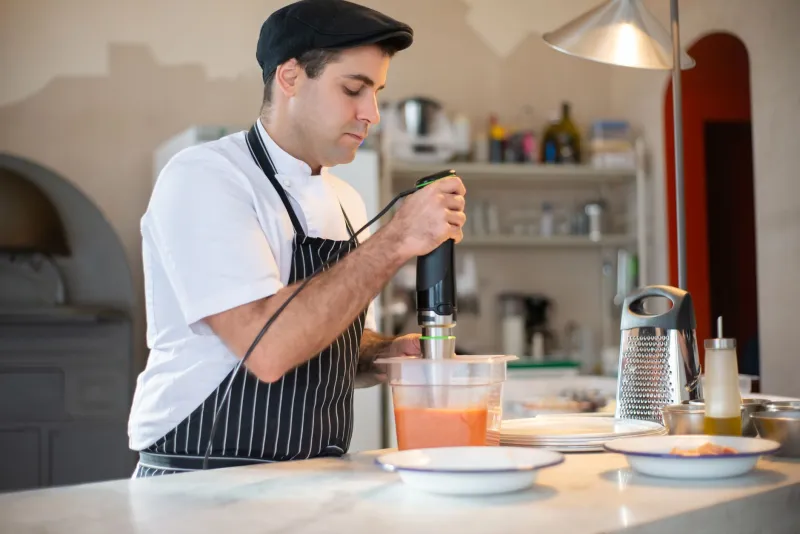
Walk into a great casual dining spot and you'll notice something: the milkshakes on the menu don't feel random. They feel intentional — like they belong right next to the ribs, the smoked brisket, or the charred veggie plate. That's not a coincidence. Behind every standout shake is a chef who spent real time thinking about what's happening on the grill and working backward into the glass.
This is the grill-to-glass pipeline, and once you understand how it works, you'll never look at your backyard cookout the same way.
It Starts with the Smoke, Not the Scoop
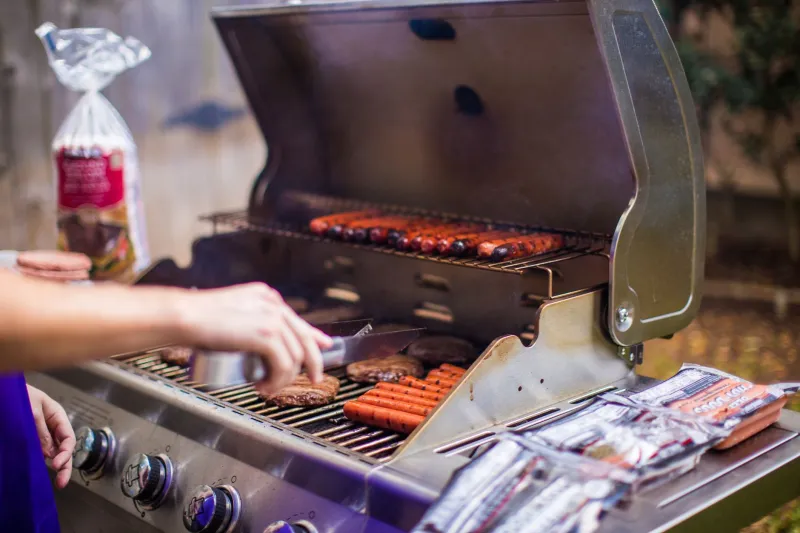
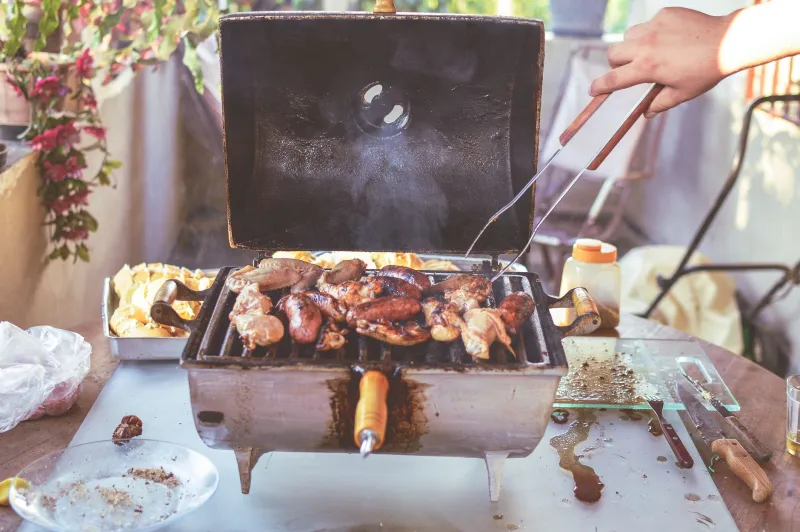
Most people build a milkshake by thinking about dessert first — chocolate, vanilla, strawberry, done. Professional chefs flip that process entirely. They start at the grill.
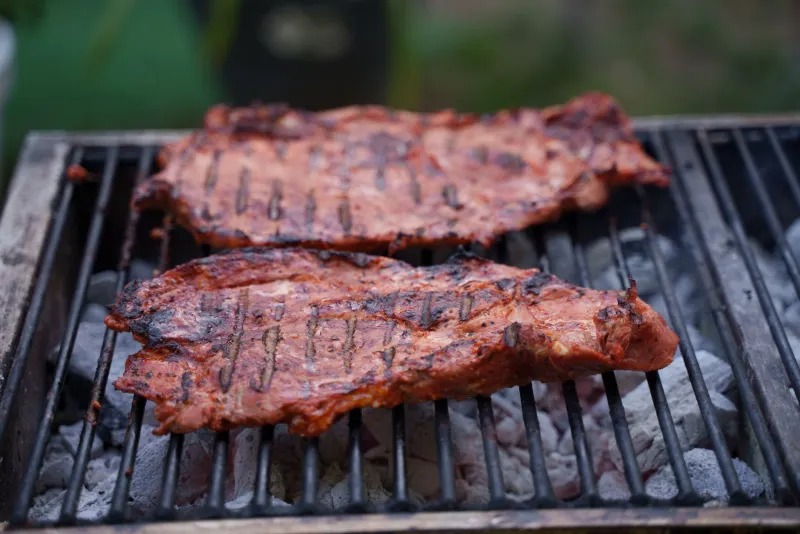
The first question a chef asks isn't "what flavor shake sounds good?" It's "what are the dominant flavor notes coming off this dish?" A slow-smoked brisket, for example, carries deep layers: rendered fat, black pepper bark, a subtle sweetness from the wood smoke, and that savory, almost umami-forward finish. Those aren't just taste notes — they're a roadmap.
From that roadmap, a chef starts identifying which flavors amplify the dish versus which ones clash with it. Sweet almost always plays well with smoke. Acid can cut through fat beautifully. Bitterness — think dark chocolate or espresso — can echo the char without overwhelming it. The shake isn't trying to compete with the food. It's trying to complete it.
The Flavor Audit: What Chefs Actually Do
Here's a technique worth stealing directly: the flavor audit. Before a chef even touches a blender, they'll taste their grilled dish slowly and deliberately, identifying three to five distinct flavor layers. Not just "it tastes smoky" — but which kind of smoky? Hickory-forward? Fruit wood? Does the sweetness come early or late on the palate? Is there a spicy finish?
Once those layers are mapped out, the chef looks for shake ingredients that either mirror or contrast each one. A dish with a heavy molasses-based BBQ glaze might call for a shake built around brown butter ice cream and a touch of sea salt — the salt cuts the sweetness while the butter echoes the richness. A lighter, citrus-marinated grilled chicken might pair better with a shake that leans into brightness: lemon curd, fresh mint, or even a hint of basil.
The goal is what culinary folks sometimes call a "flavor bridge" — a sensory connection between the plate and the glass that makes the whole meal feel cohesive rather than random.
Texture Is Half the Equation
Flavor gets most of the attention, but texture is doing just as much work in a great grill-and-shake pairing. Think about the contrast between a thick, chewy bite of smoked pulled pork and the cold, silky rush of a milkshake. That contrast is doing something neurologically satisfying — your brain loves the interplay of hot and cold, dense and smooth, chewy and liquid.
Chefs who are serious about this will actually adjust the thickness of their shakes depending on what's on the grill. A heavier, fattier dish like beef ribs or a double-smash burger calls for a thinner shake — something that refreshes the palate rather than adding to the richness. A leaner grilled item, like fish tacos or a turkey burger, can support a thicker, more indulgent shake because the dish itself isn't already pushing the richness ceiling.
At home, this is an easy adjustment. If you're blending after a big, meaty cookout, add a splash more whole milk and go a little lighter on the ice cream. If you grilled something lighter, pile in that extra scoop without guilt.
Steal the Process: Building Your Own Signature Pairing
You don't need a culinary degree or a commercial kitchen to run your own version of this process. Here's how to do it at your next cookout:
Step 1: Name your grill's star dish. Pick one thing you're known for on the grill — your go-to burger, your smoked chicken thighs, your grilled peach and halloumi skewers. This is your anchor.
Step 2: Do a slow tasting. Before guests arrive, taste your dish deliberately. Write down (or just mentally note) three flavor words: one for the primary taste, one for the finish, and one for the overall vibe. "Smoky, sweet, bold" or "bright, herby, light" are totally valid flavor profiles.
Step 3: Map your shake ingredients. Now look for ice cream flavors, mix-ins, and toppings that connect to those three words. Don't overthink it — if your dish is smoky and sweet, a salted caramel shake is basically a no-brainer. If it's bright and herby, a lemon sorbet float or a honey-lavender shake could be your move.
Step 4: Test the contrast. Take a bite of the grilled dish, then a sip of the shake. Does the shake refresh you? Does it make you want another bite? If the answer is yes to both, you've nailed it. If it feels like too much of the same thing, dial back one of the shared flavor elements.
The Toppings Are Your Finishing Touch
One thing restaurant chefs do that home cooks often skip: they use shake toppings as a visual and flavor callback to the dish. A shake paired with BBQ ribs might get a drizzle of smoked honey and a pinch of chipotle powder on the whipped cream. A shake next to a grilled pineapple burger could get a skewer of fresh pineapple chunks on the rim.
These aren't just Instagram moments (though they don't hurt). They're flavor signals — a way of telling the person eating that the shake and the dish are part of the same story. It's a small detail that makes the whole experience feel more intentional and, honestly, more fun.
Your Backyard Can Be That Restaurant
The magic of the grill-to-glass pipeline is that it doesn't require a professional kitchen or a full menu development team. It requires curiosity, a willingness to taste carefully, and a little creative thinking about how flavors talk to each other.
Next time you fire up the grill, don't treat the milkshakes as an afterthought. Think of them as the other half of the meal — the chill to your grill's heat, the smooth to its smoke, the sweet finish that makes the whole cookout feel like more than just dinner. That's the Grill 'N Shake philosophy, and now you've got the chef-level toolkit to make it real.