What's Actually in Your Tap Water — And Why It's Messing With Your Milkshakes
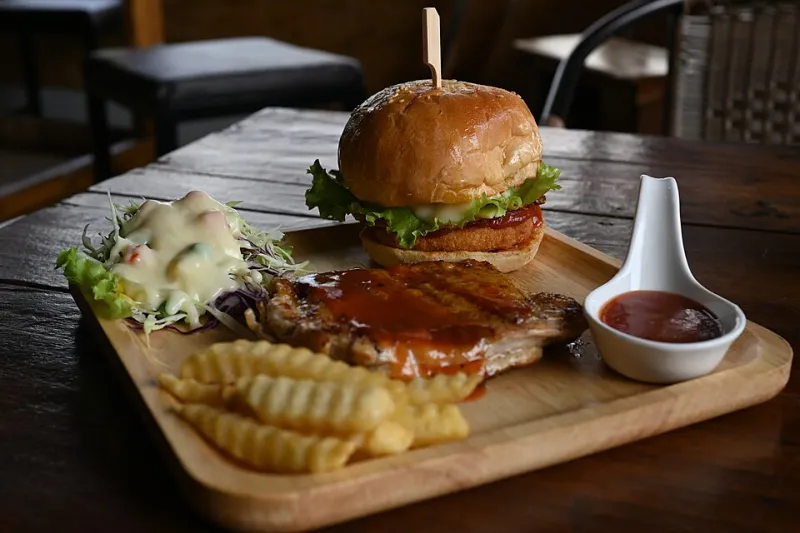
You've nailed the burgers. The grill is dialed in, the char is perfect, the smoke is doing exactly what it should. Then you head inside to blend up a round of shakes — same recipe you've used a dozen times — and something's off. The texture is grainy. The creaminess isn't there. The flavor feels muted, like somebody turned down the volume.
Blame your water.
It sounds almost too simple, but water quality is one of the most overlooked variables in home milkshake-making. And if you live in certain parts of the US, your tap water is quietly working against every shake you blend.
Hard Water 101: What It Actually Means
When people talk about "hard" water, they're referring to water with elevated concentrations of dissolved minerals — primarily calcium and magnesium. These minerals are naturally picked up as groundwater moves through limestone, chalk, and other rock formations. They're not dangerous, but they're not neutral either.
According to the US Geological Survey, roughly 85 percent of American homes receive hard water. Cities like Phoenix, Las Vegas, San Antonio, and Indianapolis are notorious for it. If you're in the Pacific Northwest, parts of New England, or sections of the Southeast, you're more likely dealing with soft water — and your shakes probably behave more predictably.
The hardness level is measured in grains per gallon (GPG) or parts per million (PPM). Anything above 7 GPG is considered hard. Some Phoenix-area households clock in above 20 GPG. That's a lot of mineral activity happening in your blender.
How Minerals Interfere With Creaminess
Here's where it gets interesting. Ice cream — the foundation of any great milkshake — is an emulsion. Fat, water, air, and sugar are held together in a carefully balanced structure. When you introduce mineral-heavy water into that equation, even in small amounts, you're disrupting the emulsion.
Calcium ions in particular can interact with the proteins and stabilizers in your ice cream, causing them to bind differently than intended. The result? A shake that feels slightly grainy or separates faster than it should. Magnesium can contribute a faintly bitter or metallic aftertaste that fights with sweet flavors — vanilla, strawberry, and lighter chocolate shakes are especially vulnerable.
Beyond texture, hard water affects how your other ingredients perform. Cocoa powder, for example, doesn't dissolve as smoothly in hard water. Malted milk powder, a classic shake ingredient, can clump in ways it wouldn't otherwise. Even flavored syrups can behave differently when the water chemistry is working against them.
The Regional Shake Divide
This is why the same recipe can produce wildly different results depending on where you're standing. A chocolate malt that blends up silky smooth in Seattle might come out slightly chalky in Dallas using the exact same technique and ingredients.
Cooks who move across the country often notice this first. They bring their recipes with them and wonder why their shakes "used to taste better." The answer is almost always water. It's not nostalgia — it's chemistry.
Restaurants and diners in hard-water regions have known this for decades. Many high-volume shake operations use filtered or softened water as a matter of course, not because they're being precious about it, but because consistency demands it.
What You Can Actually Do About It
The good news: this is a solvable problem, and you don't need a plumber or an expensive whole-house system to fix it for cookout purposes.
Use filtered water or filtered ice. The simplest intervention is swapping your tap water for filtered water when you're adding liquid to your shake. A basic pitcher filter like a Brita removes a significant portion of calcium and magnesium. If you're making ice to blend in, freeze filtered water. This alone can noticeably improve texture in hard-water households.
Try bottled water for your ice. If you're in a high-hardness area and you want the cleanest possible result, freeze bottled water for your shake ice. It's a small extra step for a weekend cookout, but the difference in smoothness can be striking.
Adjust your fat content. Higher-fat ice cream is more resistant to mineral interference because the fat forms a more stable emulsion. In hard-water regions, opting for a premium full-fat ice cream over a reduced-fat version gives you a buffer against the mineral disruption. It's also just better ice cream, which never hurts.
Add a pinch of salt. This sounds counterintuitive, but a tiny amount of kosher salt (we're talking a literal pinch for a two-serving shake) can help balance the mineral bitterness that hard water introduces. Salt suppresses bitterness perception — it's the same reason a pinch goes into baked goods. It won't make your shake taste salty; it'll just taste more like itself.
Lean into bold flavors. If you're not ready to filter anything, choose shake flavors that can hold their own against mineral interference. Deep chocolate, caramel, peanut butter, and coffee-based shakes are far more forgiving than lighter fruit flavors or plain vanilla. The stronger the flavor profile, the less the mineral aftertaste registers.
Testing Your Own Water
If you're curious about where your home falls on the hardness scale, basic water test strips are available at hardware stores and online for a few dollars. They're the same strips used for aquariums and pools. A quick dip tells you your approximate GPG level and gives you a starting point for deciding how much intervention makes sense.
Your local utility is also required to publish an annual water quality report — often called a Consumer Confidence Report — which includes hardness data. Search your city name plus "water quality report" and you'll find it.
The Bigger Picture at the Cookout
At Grill 'N Shake, we're all about the moment when a cold, creamy shake meets a hot, smoky bite off the grill. That combination only works when both elements are firing on all cylinders. You spend real time dialing in your grill game — the temperature, the timing, the wood chips. Your shake deserves the same attention.
Water quality isn't glamorous. It's not the kind of thing that comes up when you're talking cookout tips with your neighbor over the fence. But it's real, it's regional, and once you start paying attention to it, you'll wonder how you ever ignored it.
Filter your water, bump your fat content, and toss in that pinch of salt. Your shakes will thank you — and so will everyone waiting at the picnic table.